
Protecting Infrastructure and Ecology in Botley
Category: Case Studies Environment
Introduction
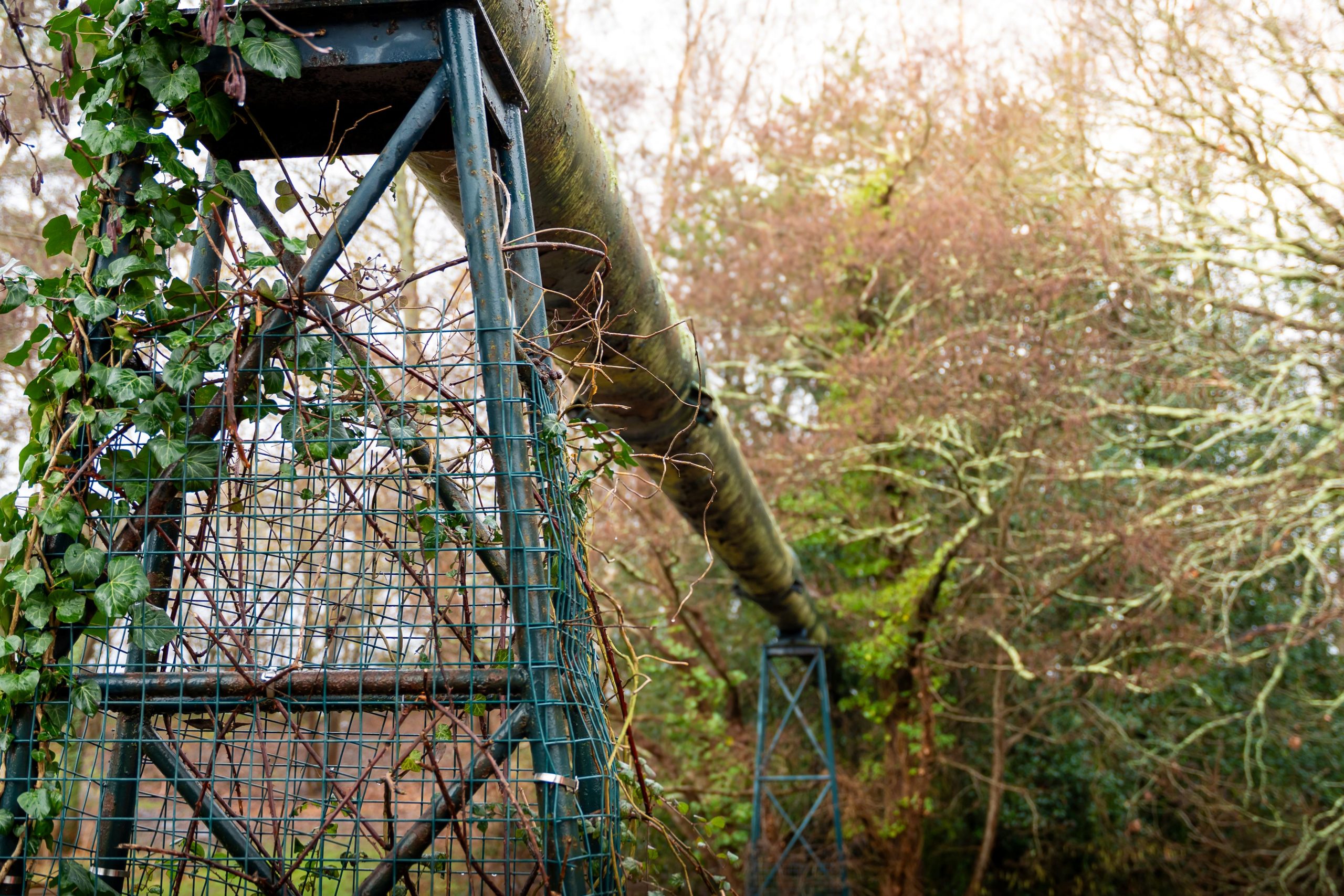
Our Hampshire civils team were originally deployed to remove branches encroaching on a pipe bridge. On arrival, they identified a mature oak with a significant split in its trunk, leaning at approximately 45 degrees over the pipe bridge. The tree stood around 60 feet in height and was estimated to weigh in the region of 18 tonnes. Failure would have posed a serious risk to the 350mm gravity main serving the local area and to a nearby tributary feeding into the River Hamble.
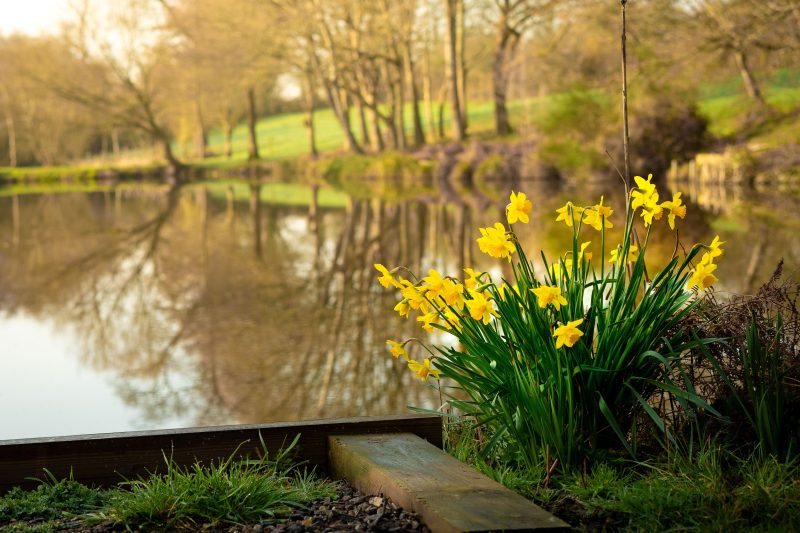
The River Hamble is one of Hampshire’s most ecologically rich tidal estuaries. Its saltmarshes, mudflats and surrounding woodland provide habitat for wading birds and act as important nurseries for species such as bass and sea trout. The estuary is also the focus of biodiversity projects, including native oyster reef restoration and seagrass planting to strengthen marine habitats.
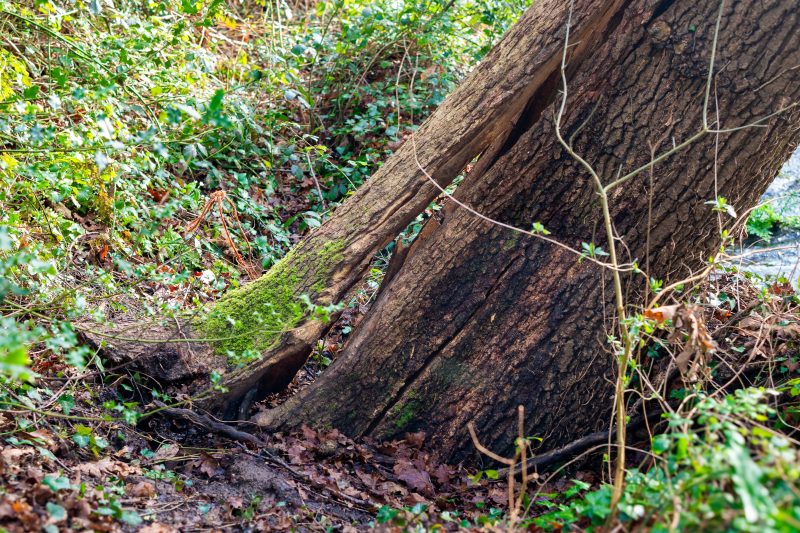
Complicating matters further, the tree sat within a conservation area and in close proximity to an active badger sett, approximately 10 metres away. Nearby vegetation also contained potential bat roost features. With badgers and bats protected under legislation, any intervention required careful planning, ecological supervision and full compliance with statutory requirements.
Working alongside specialist arborists from Ground Control and independent ecologists, the team developed a methodology that prioritised safety and environmental protection. Ropes were secured high in the canopy before a combination of hand-operated and hydraulic winching systems were deployed from a safe distance.
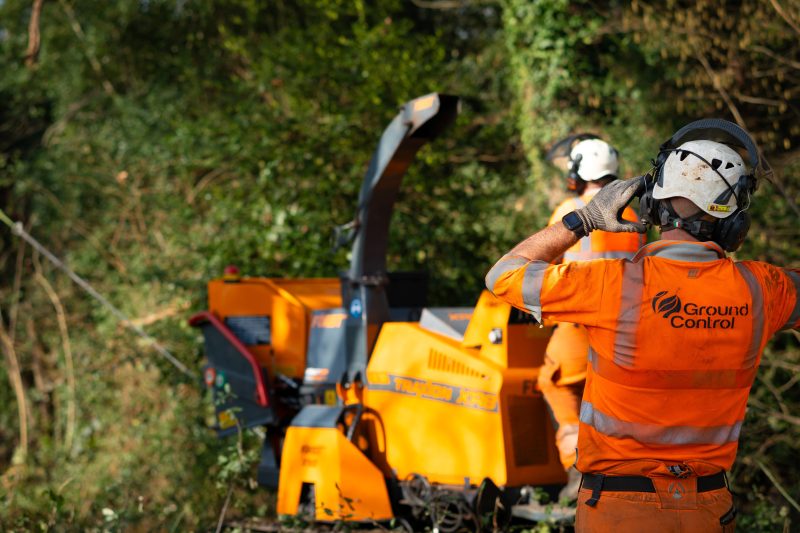
The controlled winching approach allowed the 18-tonne oak to be brought down gradually and deliberately over a number of hours. By maintaining steady tension and carefully managing the direction of fall, the team ensured the tree moved away from the pipe bridge, badger sett and watercourse. Ground disturbance was minimised, bat roost features in adjacent vegetation were retained, and ecological supervision remained in place throughout.
The tree was successfully removed without impact to the gravity main, without disturbance to the badger sett and with full preservation of the river ecology.
This project highlights the importance of early risk identification, collaborative working and specialist expertise. By adapting our approach on site and integrating civils, arboricultural and ecological knowledge, we protected critical wastewater infrastructure while safeguarding the surrounding environment.
Category: Case Studies Environment
Location: Hampshire